| What is Responsible Travel? Responsible travel is a new way of travelling for those who've had enough of mass tourism. It's about respecting and benefiting local people and the environment - but it's about far more than that. If you travel for relaxation, fulfilment, discovery, adventure and to learn - rather than simply to tick off 'places and things' - then responsible travel is for you.
|
The responsible traveller prefers smaller groups, and to meet some local people (as well as fellow travellers) rather than be surrounded by 1000's of people from back home. They don't like being herded about in a large crowd like nameless faces and understand that travelling in smaller groups makes local people and cultures more accessible. The responsible travellers wants to get a little bit more out of their travels, and to give a little bit back to the special places and people that they encounter. They want deeper and more real travel experiences. The responsible traveller values authenticity - experiences integral to local people's traditions, cultures and rituals - rather than those created for tourism, or those whose existing meanings and uses have become lost as they have been packaged up for tourism. No more 'Greek nights' in resorts with the only Greek people there to serve food please! At the same time the responsible traveller understands that some cultural experiences are best kept private, and that their visit would be an intrusion. They believe that travelling with respect earns them respect.
|
|
|
Rediscovering nature
The responsible traveller values diversity - diversity of people, cultures and environments. They believe that they can grow as individuals through these experiences, and that their trip can make a positive contribution towards conserving global diversity. |
Above all else the responsible traveller wants to cut loose and experience their world. The experienced responsible traveller knows how difficult it can be to do the right thing - and is humble and learns from their mistakes. Whether they travel independently, or through a leading responsible travel operator, the responsible traveller makes and experiences a difference.
|
Guidelines for Responsible Travel
1. Cultural Issues
Respecting Cultural Differences
Enjoy the fantastic experience of cultural diversity while you travel, but make sure to encourage and respect the differences that you encounter, don't try to change things for your own comfort. Remain patient and calm, more doors will open to you than if you 'lose your cool'.
Assisting the Locals in their Understanding of Western Culture
The flipside of experiencing cultural diversity is helping locals gain a better insight into Western culture, particularly beyond the superficial attractions of monetary wealth. Respect the locals' wish to develop economically - everyone has a right to better standard of living and development.

Dress Standards
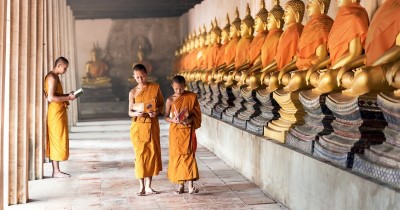
Asian people dress modestly, particularly in rural areas. It is important for travellers to be conservative in their dress, in respect of the local culture. Offensive attire includes not wearing a bra, singlet tops (in some areas) and tight body hugging clothing. Long pants, skirts, sleeved shirts and shorts (that aren't too short) are appropriate. For temple visits shoulders and legs should be covered while shoes and hats should be removed before entry.
Swimming & Bathing
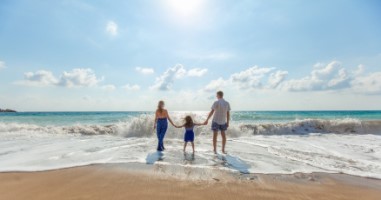
Nowhere in Asia is nude sunbathing or swimming acceptable, regardless of what you see other travellers doing. In some places Asian women will swim/bathe wearing all their clothes. If this is the case, then a good rule of thumb is to swim/bathe in a sarong or T-shirt where necessary.
Etiquette - the all important "Saving Face"
There are a few general codes of behaviour that apply throughout the areas in which we operate.
![]() |
|
Answering questions!
The ideal demeanour for the traveller is to be friendly and ever ready to answer questions like Where are you going? Are you married? How old are you? Such questions in western societies are personal, but Asian people are just being friendly and curious. If you are uncomfortable try to subtly change the subject. Bear in mind also the different attitude towards privacy in Asia. Here people are used to sharing and living in close knit communities, so try to remember this and be patient if a local person seems to have an over-zealous interest in your books, cameras etc.
| Photography - still & video Sensitivity is the key when it comes to photography/video filming. Always ask permission before taking photographs/videos of people and respect their wishes if they refuse. Minority groups in particular are often unhappy to have their photo taken. Drugs and alcohol The laws of most Asian countries carry harsh penalties for drug possession or usage including the death penalty for foreigners and locals alike. Your group leader has grounds for asking you to leave a trip if you are found to be using or carrying illegal drugs. Alcohol use needs to be carefully considered. Village people can construe Western excessive consumption of alcohol as a sign of affluence and elitism. We do not want to be responsible for luring local people to ignore family responsibilities and spending their minimal income on alcohol. Furthermore, out of control drunken Westerners can damage our positive relationships with locals and negatively change the group dynamics |
![]() |
| 2. Social Issues | |||||||||||||||||||||||
![]() |
Prostitution The philosophy of Terraverde is one of mutual respect towards everyone we deal with and in particular the local people; the use of prostitutes is completely contrary to this philosophy and we are strongly opposed to any of our travelers visiting prostitutes while in Asia. There are wider social implications apart from the risk of HIV/STDs, many Asian prostitutes are bonded labour unable to return to their communities. Child prostitution or sex tourism is an abhorrent and illegal act that we strongly condemn. Any incidences of this will be reported to local and international authorities who will ensure that the person involved will be questioned, and if appropriate, charged. |
||||||||||||||||||||||
| Donations and gift giving This is a difficult issue for many travelers who want to assist the local communities but are unaware of the larger implications. There are many ways in which you can have a positive input into the communities that you visit: |
|||||||||||||||||||||||
|
|||||||||||||||||||||||
| Do not give sweets to children in the villages that we visit. Local people do not have access to dentists and there is the issue of turning children into beggars. Pens, toothbrushes, clothing are best distributed via a local charity, school teacher, or community leader. Avoid feeling that you necessarily have to give 'material' things, giving something of your friendship, time and interest to interact like a smile, a joke, a sing-song, dance or playing a game - this can be the best gift of all. |
|||||||||||||||||||||||
| 3. Environmental Responsibility & Waste Minimisation | |||
| We don't want our presence in Asia to add to the problem of excessive pollution in Asia and need to minimise our impact on the places by practising waste minimisation initiatives whilst on holiday. Adopt preventative actions on your trip by practising the three R's: Reduce, Reuse, Recycle |
|||
|
|||
| Energy and water conservation Be prudent with fuel and water. Pollution, green house gases and other problems of fossil fuel use are escalating as developing countries strive towards having modern Western appliances, vehicles and production methods. For example turn off the air-con/lights in your room when you it's vacant, leave the air con on 'fan only' overnight. Use public transport where possible. Environmental degradation On treks, use existing tracks and stay on them rather than creating new tracks (especially in wet season) as this results in a series of footpaths that turn into erosion gullies. When snorkeling, don't touch coral formations as this can hinder their growth. Stick with the "Take only photos, leave only footprints" adage but then with sensitivity with the photos and footprints! Wildlife When visiting National Parks or reserves where you will be in contact with wildlife, please ensure that you follow the appropriate Park Regulations that ensure that wildlife is protected. Respect this even if you observe that other tourists don't and don't respond to local rangers offering to bend the rules for you. |
|||
|


.jpg)


.jpg)

.jpg)
Email to TerraVerde